Life as a STPM (Arts) Student

STPM

What subjects did you take and what were the possible subject combinations out there? Both in your school and any other schools that you might know of.

We are only allowed take up a maximum of 5 subjects and usually a minimum of 4 subjects. I’m not too sure about the possible subject combinations but I know it depends on the school you are enrolled in. My school, Victoria Institution only offered 5 subjects in the art stream; Pengajian Am, Pengajian Perniagaan, Ekonomi, Sejarah and Bahasa Melayu. Pengajian Am is compulsory for everyone including science stream student and in my school Pengajian Perniagaan in compulsory for art stream students.

What compelled you to take up STPM? How does one apply to study STPM at a school? Can you say anything about the common myths about STPM, in terms of difficulty, culture as well as any other that you can think of?

What compelled me to take up STPM? Hmm. Before this I have actually considered many other options such as foundations in arts and diploma in illustration and STPM was somewhat a last choice but my choice bounced back and forth. Back in high school, I am not a studious kid. I did not like what I was studying, I did not understand why do we need to take 9 subjects at once with one really unnecessary subject *I’m sure you can guess it*, and many more reasons. I scored just alright for SPM and it wasn’t worth for any scholarship but I was happy with what I got (: I was not exactly encouraged to take up STPM because there is a myth that you need to be super smart or a genius to take STPM but still I felt STPM was something that I was called for. So I went for it and ta-da I did amazingly well. I am not sure about science stream because I am from art stream, STPM is something anyone can score if you’re diligent and curious enough to study and be active in class. I loved what I studied except for one subject but it helped me tremendously in university. People have this mindset that STPM students only know how to study and that certainly isn’t true. We do know how to have fun and it is all about balancing out your life.

You do not have to apply for STPM if you are from a government school because you will automatically get a place at a school that offers Form 6 and is affiliated with your school.

Tell us more about the subjects that you took up, in terms of academic rigour, choice of content as well as examination style. What sort of revision and learning techniques have you adopted, and how that might have differed from form 4-5? What advice should new form 6 students heed from you?

I took 4 subjects; Pengajian Am, Pengajian Perniagaan, Ekonomi and Sejarah. I would say that all subjects are equally challenging and Ekonomi was the most challenging out of all. If you’re wondering, yes, all my subjects are conducted in Bahasa Melayu. These 4 subjects require insanely a lot of writing. We are also required to complete one assessment for each subject. It is known as PBS.

My batch was the second batch to go through the new system which is semester based system. Previously it was fully exam based. There are 3 semesters in total which means there are 2 semesters in a year. For all of my subjects, we are required to complete one assessment (paperwork) for each subject. It is known as PBS but some of my teachers call them ‘mini thesis’. I enjoyed doing them but the process was quite tiring because we are required to do different types of research methods for each PBS. I’m glad they introduced PBS because I can see how it helped me in university. We are taught how to cite using different citation styles and analyze data.

In Pengajian Am, we study about our country on how Malaysia functions (Semester 1), the policies and the constitution in Malaysia (Semester 2) and globally about what is going on around the world (Semester 3). We were also required to learn how to plot graphs from a set of question given. I find studying what we have learnt was not too bad but the essay part was quite frightening. I felt as though we were suddenly taught to think really hard whereas before that we were spoonfed like babies in high school. Reading is incredibly important to produce a good essay because examples were needed and level of maturity displayed in the essay is also crucial.

Pengajian Perniagaan (PP for short) is a subject I swore I will never retake. (Yes, we are allowed to retake any of our registered subjects after semester 3 no matter what grade you have) Why? Because PP is a full memorizing subject. No joke. We need to memorize the whole textbook. I struggled because I have a memory of a goldfish. The struggle does not stop there, we cannot blindly memorize it. We need to fully understand what we are memorizing because there will be a section in the exam paper where we are need to apply what we have studied. The questions are tough.

Ekonomi can sometimes be very interesting and sometimes, I will doze off studying it. We learn about Mikroekonomi, Makroekonomi and Ekonomi Malaysia. There are many graphs to analyse, formulas to use and applications of what we have learnt for essays. For me, I needed many exercises to improve because I am terrible with numbers, especially for the calculation part. I bought exercise books and did all of the past year questions. As for the essay, we really have to grasp the concept in order to do it.

Sejarah! My favourite among all. We study about Sejarah Dunia, Sejarah Islam and Sejarah Asia Tenggara dan Malaysia. Well, I would say, if you love history, you’ll love this but I wrote like mad woman during exam. I do not exactly remember which semester, we need to write 4 essays out of 6 choices and each essay needs to be at least 3 pages. This means 12 pages in 2 hours. There are 2 types of questions. The first is straightforward questions where we can basically write down what we read without much thinking and the other type is the opposite. We need to think thoroughly about the question.

Most of the time I do my own notes because I revise better through mind maps. For some subjects I have more than one reference book because different books have different examples and contents such as Ekonomi and Sejarah. Well, of course, do not  rely on only the reference book; read other books and magazines, watch videos, listen to podcasts and have an open mind. If you still do not know what technique you should use to study, google it. Not kidding! I tried many ways and mind mapping worked the best.

I also suggest to have at least one or two friends to study with and if you cannot study at home, go and explore different places to study such as the library and coffee shops. I study better outside as compared to at home. Not forgetting, listen to your teachers when they teach, it saves a lot of extra reading and understanding when you study. If you think your teacher isn’t good enough, find teachers outside (: I have also learnt that, no one can be fully ready for an exam. So, just do your best, do not stress yourself up and ace it.

Can you tell us more about the culture in an STPM school? How might it have been different or similar to Form 5? How integrated are Form 6 students into the Form 1-5 student body? Where do STPM graduates normally end up in? What of it that you enjoyed and what was lacking or lacklustre to you?

During my time, we still wear uniforms and I love my school uniform but now Form 6 students are not required to wear uniforms. The culture is quite similar to high school but we are given more freedom to chose a certain things such as forming our own clubs and the teachers are a tad different compared to high school teachers. In my school, Form 6 students have their own block so we do not mix with Form 1 to Form 5 students unless we join a body or society that includes Form 1 to Form 5 students. The culture in my school got me into culture shock the first day and I hated it but I end up loving my school and I can say I am proud to study Form 6 in Victoria Institution. In VI, there are insanely too many activities that we need to join but when I look back now, those memories are very precious.

I think there’s a lack of good teaching staff in Form 6 and the marking system/ answering techniques of some subjects are too rigid.

Usually STPM students will go to public universities (IPTA) and some will continue their journey in private universities or go overseas. It really depends on the individual. I personally went to a public uni because my course, Social Science majoring in Anthropology and Sociology is not offered in any private university. STPM is a also great platform for people who are unsure about what they want to study and it costs almost nothing compared to other options out there.

Most importantly, reflecting on your time studying STPM in school, how do you feel?

I truly miss Victoria Institution and my Form 6 life. I had a lot of fun with my friends and still keep in touch with them until today. Agreeing to go for STPM really changed how I look at myself and how God creates wonders in life.


Penny Wong

Penny Wong a proud KL citizen decided to leave home to explore a new city in Malaysia and hope to integrate arts and anthropology some day in her own way. Sipping green tea/latte, painting, reading and being creative are her favourite solitude moments. She is currently studying in Universiti Sains Malaysia and is a JPA scholarship holder.


Choosing the right uni as a sponsored student (UK v. USA)

USA-UK

Image Source

I received the JPA Biasiswa Nasional scholarship right after SPM results were released. Since JPA wanted the scholarship recipients to inform them of our choice of course and country, I wrote that I wanted to pursue Actuarial Science in the US. That was before I started A-Level at Taylor’s College. However, I was actually undecided about my future career and hence degree course. But at that time I’d heard that the actuarial field was lucrative and US universities were “better” in that field, so that was why I chose them. Plus, I wasn’t too serious while making that decision because JPA told us that we could change the course and country choices afterwards.

Up until it was time to apply to universities, I still did not have a country or even course in mind. One thing was for sure, I had always known that I would at least apply to the UK, but whether or not I would attend a British university was another matter. So to apply to the UK, I needed to know exactly which degree I wanted to pursue. At first I “decided” to apply for Electrical Engineering. After some really long nights trying to come up with a personal statement to show my “passion” towards Electrical Engineering, the end product wound up sounding like a Physics or Materials Science application. That was really frustrating, so I backed up and thought long and hard about what I wanted to do with my life after school and what interests me the most. Long story short, I arrived at Mathematics and finally settled on it.

Now that I’d decided to study Mathematics, choosing which five UK universities to apply to was an easy task because there were only five UK universities on the Times Higher Education Top 50 Universities Ranking for Physical Sciences that year.

After submitting my UK application, I started to work on my application to University of California and Commonapp. The primary reason that got me interested in US universities was that they took about 70% of the entire Top 50 list. But later, as I learned more about US education and college life, I began to seriously consider them. Choosing a subject was not so much of a problem when applying to the US, because it is perfectly acceptable to apply as an Undeclared major. This was the main reason I eventually chose to go to a US university over a UK university.

The real headache when it comes to applying to US universities was choosing which schools to apply to. Since application fees are quite hefty, I limited the number of universities to five. The most important factor that narrowed my choices was how well-rounded the school was. I was looking for a school that has a solid reputation in not only math and sciences but also humanities and social sciences because I wanted to explore my interests in these areas and get a balanced education. I also looked at academic opportunities e.g. undergraduate research, the physical environment of the campus and the town surrounding it.

When it comes to game plan, I took nothing more than a realistic view. Generally, applicants are advised to apply to a few dream schools that are hard to get into, a few good schools that are less hard to get into, and a few safety schools that the applicant is very confident of getting into. But then hard and easy take on varying definitions to different people, and not everybody adheres to this general rule. As for me, I had already gotten a few offers from UK universities when I was choosing US schools to apply to, so I did not have to think of back-up schools and just chose five that I would definitely be happy to attend. I chose UC Berkeley, UC Los Angeles, Chicago, Cornell and Michigan. As for major, I applied as an Undeclared Physical Science major to the UCs, Statistics major to Chicago and Cornell, and Financial and Actuarial Mathematics major to Michigan.

On the first day of Chinese New Year, I was so happy to find out through email that I was admitted to Michigan. Then in late March through early April, I was admitted to UCLA and Cornell, but waitlisted by UCB and Chicago. I was eventually rejected by both these schools.

I chose UCLA by early May. As I said, I would love to attend any of the schools I applied to so finally coming to a decision was really hard. It came down to a battle between UCLA and Cornell, and the reasons that prompted my final decision were pretty trivial. One, I wanted to be in a big city yet have access to nature e.g. national parks so Los Angeles, California is perfect. While Ithaca has a lot of nature, it is not at all a big city. Two, it can get very cold in upstate New York where Cornell is during winter while the weather at LA is always warm and inviting. My scholarship also encouraged me to enter a Top 10 school because I would get to maintain my current benefits that included higher allowance rates. UCLA was in the Top 10 while Cornell was just outside. But the difference in allowance rates could easily be cancelled by the difference in living expenses between a big city and a smaller college town, so that didn’t play a huge part in my making the decision.

I’ve been in LA for a week now and I’ll say that I’ve definitely made a good call! The campus is gorgeous, the energy among students is inspiring and I can just see myself learn and grow here over these next few years. Although classes have not even started yet, I am excited for the adventures ahead.

Some final thoughts:

Although it is possible to apply with major undecided to US universities, it is good to know what you want to study and/or explore or at least have an idea of it. If you feel like you are passionate about everything but nothing in particular, take concrete actions to find out where your passions lie a little more specifically. It helps not only your application but also self-development to have more specificity and depth to your interests, instead of merely having breadth.

At first, you might feel that it is impossible for you to get into a good university, due to perhaps unreal expectations of university admissions, low confidence or just pessimism. You might give up applying to some universities just because you think you don’t stand a chance or because you need to write a lot of application essays. Don’t let these be reasons for you not chasing your dream.


Yeong Wern Yeen

Yeong Wern Yeen is a JPA scholar who will be going to University of California, Los Angeles this fall. She likes to indulge unapologetically in good food, all sorts of films (especially sci-fi and fantasy) and music, the company of friends and adventures! She is also co-founder and one of the site managers of CollegeLAH.

Life@Abbey College Cambridge – A-level

Abbey College

Abbey College Cambridge is a small, private college situated near the train station, in the city of Cambridge. They offer A-Level, GCSE and foundation courses although the subjects offered are somewhat limited due to size of the college. In terms of the application for the A Level course, it was fairly simple – most of my friends applied through their agents in Malaysia, ASA, but I opted out and applied directly. All I had to do was submit an online form, a statement of results and a personal statement, which was followed up by an informal skype interview. Entry into the course is not competitive and neither is it to obtain their partial scholarships, which is given based on your results in a test they conduct. Applying through the agents makes the process easier and enables you to meet some future schoolmates beforehand, so I would recommend using them.

The student community at Abbey is a close knit one. People from Malaysia, China, Vietnam, Russia and Nigeria make up the majority of students and there are few local students. There is no large segregation between people of different nationalities, although fellow countrymen tend to group together. The small student population, small class sizes and the common catered accommodation makes it easy to assimilate into the college. Most of the students at Abbey are competitive academically and college culture is very much driven by grades. Therefore, the extracurricular activities offered is somewhat lacking. There are a number of clubs but the range is by no means an extensive one. A fair bit are catered to help with subject specific UCAS applications, such as the Medic Club. Regarding college events, for what they lack in terms of frequency, they make up for it in terms of quality and fun.

The location of the college within Cambridge is convenient. It is a 20 minute walk from the accommodation halls to the furthest building and a 10 minute walk from the aforementioned building to the city centre. However, the buildings where lessons are conducted are spread out which makes it a bit tricky in between lessons. The construction of a new campus is scheduled to be completed by 2016 so newer students need not worry about the mad rush to get from one building to another.

Personally, the most valuable thing Abbey offered me were my teachers. They were dedicated and knowledgeable people who, as cliché as it sounds, were passionate about what they do. My physics teacher would leap whenever an exciting question was posed, my mathematics teacher would see me individually after school to run through certain topics, my economics teacher marked all my past paper essays overnight and my history teacher was such an inspiration, I seriously considered doing History at university. In all respects, there was a great deal of student support. The small class sizes meant that learning was often catered to each class and varied in terms of pace and teaching methods. Each student was assigned a personal tutor, with personal tutor group meetings each week and an individual meeting with the tutor every two months. My personal tutor would give me the push whenever I needed it and was definitely a key person in helping me settle in. At the college accommodation, I had house parents who would call me if I was late for curfew and come visit me with the college nurse whenever I was sick.

When applying for university, each student is allocated a UCAS advisor and a subject specialist who oversees the application process and assists in every way they can, such as giving feedback on personal statements. My UCAS advisor went out of his way to help me with mine, contacting his architect friends to look through my personal statement and application portfolios. My history teacher and personal tutor also vetted through my application and listened to my lengthy portfolio presentations, a testament to the sort of student-teacher relationship at Abbey. Contact between teachers and students is facilitated through emails and most teachers reply their emails within a day.

Retrospectively, the students and teachers form an integral part of Abbey College. The dynamics between students and students with teachers changes with each intake – it differs based on how large certain groups are, which subjects are being taken and which teachers you have. My view of Abbey may not have been as favourable if it were not for the community there, because the head administration of the college isn’t great and the fees are relatively high. However, the intimate college culture and its location in Cambridge make it an ideal environment to form relationships that would last a lifetime and to push yourself academically. For students looking for a gradual transition between the national education system and university life here in the UK, Abbey is one of the best places to go to. I found it easy to make friends quickly and constant interaction with other students helped me grow accustomed to different cultures. The teachers were always willing to help and this eased me into the more self-directed way of learning. In short, Abbey College Cambridge is a great college to learn, to grow and to find a home away from home.


Lim Li-Ann

Lim Li Ann is a self-funded student pursuing a degree in Architecture at the University of Edinburgh.  When she isn’t glued to a drawing board, she’s probably looking for new places to explore, a good book or any form of food.

Life at Monash-Parkville as a Pharmacy Student

My name is Leong Kum Chuan and I am studying the Bachelor of Pharmacy (Hons) in Monash University, Melbourne Parkville campus. It was a dream come true to be given an opportunity to study in the best pharmacy school in Australia, Monash University – Victorian College of Pharmacy.

Monash focuses mainly on research hence research assignments and lab reports are essential. The curriculum of the school of pharmacy provides me great exposure allowing me to gain a vast knowledge in the field of pharmacy. Monash provides us with the latest technology in learning such as MyDispense: a pharmaceutical leading technology allowing us to virtually dispense through a computer. Besides that, Monash University helps us to overcome stage fright and improve our communication skills through the programme through our presentations each semester. Every semester, pharmacy students are expected to present topics covered in our lectures for 15 minutes providing us bountiful of opportunities to research and explore our interests. One of my previous topics was on gastroesophageal reflux disease. To counsel patients, communication skills and confidence is essential. Besides that, having a high proficiency in English is important for a pharmacist and proficiency in other languages too provides a leverage.

Picture2.png

Monash University has 3 campuses in Victoria (Clayton, Parkville and Peninsula). Monash Parkville is also known as the Victorian College of Pharmacy, which is the pharmaceutical campus for Monash University. The Parkville campus is located in close proximity with the University of Melbourne. As compared to other campuses, the campus is relatively small and accommodates lesser club and societies. Therefore my friends and I joined Malaysian of Melbourne University (MoMU) and we met a lot of friends there!

For me, the highlight of the campus is the library as we can have group discussion. The library is split into a quiet zone as well as the discussion zone provided for the convenience of the students to suit the purpose of the student in using the library.

34

The syllabus of pharmacy involves a lot of scientific knowledge requiring a deep understanding and memorizing which proves to be quite a challenging course. In my opinion, we are on par with a doctor as we have to be competent in communication as well as a mastery in our knowledge.

Whilst a pharmacist is a mastery in the uses, interactions and its safety uses in regards to drugs and medicines, a general practitioner is good at diagnosing and providing treatment.  Besides gaining knowledge from lectures and researches we do for our presentations, we are also have to analyse a substantive amount of case studies, workshops and group tutorials. In case studies, we are given a scenario to brainstorm with our groupmates to solve it. Case studies requires one to think out of the box and encourage a good relationship and foster teamwork with your peers to solve the problem. On the other hand, workshops are held to expose us and give us a better understanding in regards to our lectured topics. It also teaches us the procedures of the experiments with the use of a computer and molecular modelling kit.

5.png6.png

Each year, Monash accepts 150 pharmacy students from Australia and different countries such as Malaysia, Hong Kong and China. To put it in a nutshell, personally I think studying pharmacy in Monash University, Melbourne is great! It allow me to pursue my dream. I believe I will become a successful pharmacist in no time!


Leong Kum Chuan

Kum Chuan is currently studying the Bachelor of Pharmacy (Hons) at Monash University Parkville campus. He is an outgoing person, with a true Melburnian spirit. Food hunting around Melbourne is what he does when he is not busy with his studies.

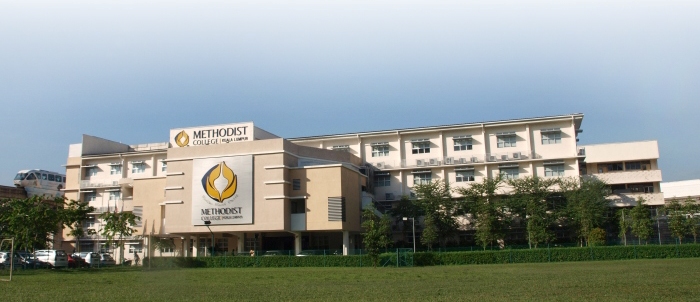
Life@MCKL – A-level

MCKL

Image Source

Methodist College Kuala Lumpur. I’d never even heard of it until my next door neighbour attended college there in 2012-13 while I was in the last two years of my secondary school. Looking back, I have no idea why I so confidently decided to do my A-Level at MCKL. The minute I heard about the college and talked to my neighbour about it ONE TIME, there was no doubt in my mind that I was going to go there, which is really strange, seeing as there were so many places in Penang to do my A-Levels (YAS, Penang lang here!). It’s not as if I fell in love with it or anything mystical and fanciful like that. There was just a sort of resolution in mind. “Yep, MCKL, I’m going there.” Though I suppose if I was forced to come up with reasons as to why I was so sold on the idea, I’d say the scholarships and Christian environment were what appealed to me most.

So there I was, completing an application online to a college I’d never set foot in. This very helpful chap from the Admissions and Counselling Department helped me through the process, as we emailed back and forth.

One really coolbeans fact about MCKL is that they offer loads of scholarships. I was applying for the 100% tuition fee scholarship which required I get 8As for my SPM*. The best part was, I could secure the scholarship using my forecast results, and later, even if my actual results were poorer than my forecast, I wouldn’t lose the scholarship. Another great thing about MCKL scholarships is that the CGPA for maintaining the scholarships isn’t too insanely high. For the 100%, I was required to maintain a CGPA of 3.2. And finally, the scholarships are not limited to a select few! Almost everyone in MCKL comes in with a scholarship of some form. As long as you apply early enough, and you have the required results, MCKL gladly provides you with a scholarship!

When the time came to go to this mysterious MCKL, I felt very homesick during the first weekend. It was before my college orientation, and I was all alone in KL. My housemates hadn’t yet moved in and I knew no one in MCKL (my neighbour had just graduated from AUSMAT the semester before). But after that one weekend, college started, and it was a whirlwind of meeting new people, joining too many clubs, absorbing all these new subjects (I took Math, English Literature, Psychology and Law),  taking part in community projects and basically having a crazy, good time!

Generally, MCKL is known by outsiders as the goody-two-shoes college for nerds. We clearly resent that and yet there is a grain of truth in that caricature. As a college founded on Christian values, MCKL does regulate rules a bit more strictly than most colleges. There is a dress code that we must adhere to, but frankly I think all of us love the upside of how we don’t feel pressured to dress up to go to college. It’s not unusual to see people in sweatpants, baggy t-shirts and messy buns. This might not be for everyone, but for me, an 18 year old girl who had no idea how to put on a dot of makeup, this suited me perfectly!

Extracurricular-wise, MCKL has a pretty wide range of clubs and activities. In my first semester, I very wisely (ha ha) joined the Music Club, Debate Club, Model United Nations Club, Latin Dance Society, Pre-U Society and the Christian Fellowship (CF). Along with that, I had to complete a Service Learning project, in which my group chose to raise awareness about modern day slavery. (Through this project, I gained the friends that would stick with me throughout the one and a half years of A-Levels. There’s really something about understanding the human struggle that made us stick together!) In my second and third semester, I cut down on my activities and chose to focus on serving in the CF, where there were tons of opportunities to get involved. In MCKL, most students go through the same process of being spread very thin in the first semester, and then focusing on one or two clubs in their remaining semesters. In my opinion, it’s quite logical, as then you’ll know, having had a try, what you really want to invest your time in.

Another extracurricular activity that really impacted me was the running of the Orientation Camps! Every student has to attend a camp in their first semester and this is the time where students really get to know their classmates and also people from other programmes. As campers, obviously the camp was thoroughly enjoyable and memorable. However, the great thing about the running of these camps is that they didn’t stop at the end of our Orientation Camp (OC). We got the chance to apply to become facilitators in the OC for the next intake. With that came the responsibility of planning the entire camp with 11 other students. After being a facilitator at camp, learning so many fundamental things, I became a historian during the next cycle of camps, eager to learn more. The student services staff of MCKL gave their best during those camps to make sure that we didn’t leave without learning something, but ultimately, whether we learnt or not was up to us. Even after I’d graduated, I returned to OC as the lead coordinator, to try and impart some of what I’d learnt to a new batch of facilitators, but at the same time, I myself learnt how to allow them to make their own mistakes. These OCs played a large part in what I took back from my time in college . (This can be seen by how long the paragraph is when I meant to only write two sentences about it! Hehe)

With all the fun and challenges of everything else, my studies also must be spoken of! I had the blessing of having a number of dedicated lecturers, both young and old. I cannot speak for the entire academic programme, ‘cos I really think it depends on your lecturer as well as the amount of work you put in, but I can say that the academic side of things was never a cause of real concern for me. This doesn’t mean I got straight As all the time-far from it-but I never had a real worry about it. We had monthly tests for every subject, so that kept us from falling behind. And we also had very challenging trial papers which drove us to glue ourselves to our books and past year papers during the time leading up to the actual exams.

One thing I was amazed by at MCKL was the willingness of the lecturers to go out of their way to help students. It is perfectly normal to walk around MCKL and see lecturers helping students in their free time, going through the curriculum, running extra classes, and sometimes just buying them an ice cream or a drink to catch up with them and make sure they’re coping okay. Their humble service was an encouragement to me, personally, as it was at MCKL that I decided to pursue English and Education so I could help as they did.  Also, the university placement staff were very effective at helping us students get our act together and apply for university. Without their constant pushing and encouraging, I doubt so many MCKL graduates would have ended up at all the top universities that they have.

One final thing I must share was what it was like living in the college-provided accommodation with the other students from outstation. I was blessed with great housemates and roommates (I had a total of 22 housemates over the span of my 1.5+ years there. This is an unusually high number!) who taught me a lot about living together and bearing with one another’s good times and bad habits! There were obviously squabbles and fights along the way, and way too much crying in bathrooms together (maybe not so much for teenage boys lah!), but I’d say we all grew stronger because of it. There was also the amazing feeling of being a part of a larger community of accommodation students , taken care of by our amazing wardens, who  looked out for our physical and also emotional needs. If you’re afraid of leaving home, don’t be. Some things will never be fully appreciated until you leave (*cough* Char Kuey Teow *cough*).

From start to finish, my time at MCKL was incredibly fun and meaningful. I made many friends, in both fellow students and staff. I learnt so many new things and I’m still trying to improve myself daily from what I’ve learnt. By God’s grace, I also managed to get A-Level results that enabled me to receive an unconditional offer from the university of my choice. Clearly, I cannot guarantee that you will love MCKL as much as I sincerely do. The idea of this kind of college might not appeal to you in the least, and that’s fine! But if you’re interested in a not-so-huge college, where you can learn both inside and outside of the classroom, supported by a truckload of people, consider MCKL. There’s hardly a better feeling than belonging to the small community, where you might not know everybody, yet

you immediately grin at that ‘stranger’ wearing the MCKL shirt, and you feel like you’re coming home every time the train pulls into KL Sentral and even after you leave, these three simple words can still put a nostalgic smile on your face,

Veritas Vincit Omnia

Truth Conquers All

*The requirements change rather regularly, so do check the website for the latest info!


Cat Bakewell

Catherine Bakewell is a 19 year old, half-English, half-Peranakan, ‘hybrid’. She is enjoying her gap year, teaching English and gaining extreme patience from waitressing! She did her A-level in Methodist College Kuala Lumpur and loved it so much that she stayed on for 3 months to intern in their Marketing Department. Promoting MCKL proved to unite both her love for MCKL and her gift of the gab 😛

Life at Monash University as a First Year Medical Student

the-strip-building

Before writing this article, I checked my student e-mail for the thousandth time (my paranoid self does not think this is an exaggeration) for an e-mail about supplementary exams. Unless I’m hopelessly blind, I think it’s safe to say that I didn’t receive any, which allows me to introduce myself correctly – Hi! I have just completed my first year of MBBS in Monash University, Australia.

I did my A-level at Taylor’s College, Subang Jaya so if you’re reading this and grumbling about A-Level, trust me, you’re not alone and yes, there is light at the end of the tunnel. During the university application period, I applied for Pharmacy and Medicine in universities in Malaysia, UK and Australia. I was fine with studying anywhere as long as I had a university to go to. However, I did hope to get into an Australian university or International Medical University (IMU) because I wanted to start studying in early February. To cut the long story short, I never thought I could do it but thankfully, Monash saw a potential doctor in me.

I remember being so fascinated by the cultural diversity in Australia when I first arrived. I’ve met Russians, Greek, Europeans, Canadians, Hong Kongers, Japanese, Koreans, Chinese, Singaporeans and of course, Malaysians. I find the curriculum in Monash appealing because it’s a 5-year undergraduate programme. Some universities only offer post-graduate or 6-year programmes. We also get site visits to clinics and hospitals pretty early on, which is good to remind you that you’re treating real patients and not just textbook diseases. There’s also dissection of real cadavers in the second semester when we start Anatomy and that’s one of the advantages of studying overseas – you don’t get that in Malaysian medical schools.

I did experience a difference in the academic culture as studying in university is centred around self-learning rather than the spoonfeeding we’ve been used to. The lecture slides are never enough and I always find myself worrying about the depth I need to cover. So this is where VESPAs come in and it’s one of the huge reasons that I love studying in Monash University. I have never known what VESPA stood for (expect an update if I do find out) but it’s basically a study group where seniors from a year above guide juniors a year below them. Juniors get their questions answered and seniors present revision PowerPoint slides with the main takeaways from lecture slides that sometimes tell way too much or too little.

I’m just going to take this paragraph to shameless gush about MAMSA (Malaysian Medical Student Association). MAMSA, to me, is the reason why studying Medicine in a foreign land isn’t as daunting as I thought it would be. We’re made up of medical students from Monash and Melbourne University. We have our own VESPAs every week and two to three revision lectures per semester. We also have many social events! It’s different when you meet people who speak Manglish abroad; they became my safety net.

Truth be told, I’ve still got a lot of Melbourne left to explore as the workload is never-ending and the city is a 40-minute train ride away. However, for the little that I’ve seen, Melbourne is a lovely place. Thanks to its cultural diversity, the food in Melbourne is A++. Heads up for the massive meal portions which can feed two and free food everywhere! There are also various festivals going on all the time. I honestly think that Australia houses some of the friendliest people on the planet – any random person you meet on the street would go out of their way to direct you to your destination or give you suggestions about the events there are to enjoy. Strangely enough, I feel both abroad and at home in Melbourne. There’s just that perfect balance – or maybe it’s because there are just way too many Asians.

Come find me if you do come to Melbourne! I always seem over-excited at first but I really just love meeting new people. I’ll definitely try my best to answer your queries if you ever need help. Random note: be prepared to learn to cook if you’re looking to save $$!

Good luck! Or as the Aussies say – Chookas!


The writer, who chose to be anonymous, is now a second year Medical student at Monash University, Australia.

Life@TCSJ-Cambridge A-Level

news-top-awards-cal-01-2

College – the time I discarded my school uniform to immerse myself in enriching education, wearing an attire of my choice, that secreted the maximum amount of my brain juice. The time I evolved into an adult and took full responsibility of my educational life. The time I hiked up my pants to my chest, put my shoulder to the wheel and started taking control of my life to walk the path of success. And so began my journal of ‘Things I never did – but would probably have helped me if I did’. I say the word ‘probably’ because although I did not carry out the above, at least not to my fullest potential, I would say that I’m quite satisfied with where I ended up – UCL – not the best but a world of good fun. But my university life is another story, the objective of this article is to share my college experience with you all, with the hope to give budding college-goers an idea of what college can be, only if you’re willing to listen of course.

In retrospect, I began college with an absolutely horrendous attitude. Coming out of a private secondary school and being constantly ranked as one of the top students, I was insufferably stuck-up, incredibly obnoxious, ashamedly sheltered and with a nose held so high I was almost bending backwards. I stepped into college thinking it was going to be a breeze. I mean, sure, the lecturers warned that the difficulty jump from SPM to A-level would be a culture shock but teachers said the exact same thing about the transition from PMR to SPM, didn’t they? Now, just to clarify, by no means am I belittling the Malaysian secondary education system. Instead, I’m putting my honest perception of the difference in difficulty gap and technical knowledge required to succeed in secondary school as compared to A-level. Sure, swallowing textbooks whole and regurgitating them during examinations might help one achieve good grades in A-levels but then again, it might not. Thorough understanding of the course and subjects do, no two ways about it. I do not mean to scare anyone off, I am merely emphasising and underlining the necessity of constant self-study to obtain commendable grades in A-level (at least for me, but of course I do not intend to commit a fallacy and generalise the bright minds that make up the Malaysian student population).

However, I digress, the real point of this article, as mentioned above, is to draw attention to what made my college experience so fulfilling. Besides being fussy and picking only subjects I enjoyed (Maths, Physics, Chemistry, Economics) I also immersed myself in extra-curricular activities. No longer was I confined to the typical secondary school societies which were mostly limited to sports and chess. At college, they encourage you to pursue your passion and develop your interests, whatever they may be. Needless to say, I went wild. I signed up for at least 8 different societies, with the intention to excel in every one of them. As naïve as I was idealistic, I soon found out I might as well drop out of college if I were to take all of them on. After much deliberation and consideration of opportunity costs and where my interests really were, I opted to be active in two societies. These two societies were the Animal Huggers Society and Taylor’s Badminton Club. Now, I can hear your sniggers and snickering starting. Badminton was fine but Animal Huggers? Was that a joke? During my tenure, it happened to be the biggest non-sports society in my college. Impressed yet? Well you should be! I always enjoyed telling my peers that I was the Vice President of the society because their disbelief made the work we did that much nobler.

I conducted regular visits to the PAWS Animal Shelter in Subang with my team of committee members and a limited number of volunteers to tend and care for the homeless dogs, cats and rabbits that were constantly brought to the shelter. By ‘tending’, we walked, fed and bathed the animals as well as cleaned their living areas. Now, this experience was so eye-opening because I couldn’t visualize the living standards of the animals before this. Even before entering, I was hit with a stench that made my eyes water. The animals were covered with faeces, cramped together and had skeleton bodies. It was indescribable to see their eyes light up when we arrived, each one of them begging for attention and tenderness. I was hit by a hurricane of emotions as I took all of this in. From the most vicious hound to the puppy cowering in the corner, each animal there had a story. Either dropped off by owners who couldn’t care for them anymore, rescued from abusers thus making them more violent and untrusting towards humans or dumped at the side of the road, the stories were all heartbreaking. Honestly, I was so grateful to have been able to visit the shelter as I was able to get a true glimpse of reality, which ignited a desire to work towards a better world, something I am adamant on achieving.

Onto happier matters, I was the Assistant Organising Chairperson for the Malaysian Association of Private Colleges and Universities’ (MAPCU) inaugural badminton tournament. Although this competition was a longtime tradition for this umbrella body of private colleges and universities, I say ‘inaugural’ because it was the first time my college ever took on the challenge of holding this prestigious event. Now, the only events I’ve ever organised were those secondary school occasions where minimal effort was required from students and teachers were the main powerhouses driving and shaping the event. With that said, the MAPCU badminton tournament was heavily student-led by the committee team and was a world of difference as compared to high school. I won’t bore you with the specifics nor the details but what I will do is present to you two major learning outcomes which contributed to my steep learning curve through college. First of all, managing the expectations of different stakeholders and ensuring to never over-promise any single party was a new experience. We were fully accountable for our interactions with the different participating educational institutions and no teachers were standing behind us to mop up our mess if we made one. Next, I became increasingly thick-skinned (for better or for worse). I had to source for sponsors and it was only natural to get shot down by most of the companies you approach. Initially, I was embarrassed, hurt and ashamed every time I was rejected but as time went on, I matured, understood that it was not in the company’s interest to sponsor such an event, and carried on. As cliché as it might sound, this experience truly helped me cope with rejections in different endeavors I undertook following this event. Truly, there were a myriad of other skills I obtained such as how to be a better team player, time management, people management, the list just goes on, but if I had two main takeaways from my role it would be as stated previously.

College life paints a different picture in everyone’s mind. Following my high school education, I was looking forward to a more challenging but also more flexible lifestyle. Now that I’m in university, I see it as a stepping stone to cultivate new skills that, moving forward, will define your university opportunities and experience. Although I had a ball in college, if I could turn back time, I would have done so much more. I would have participated in external events, took advantage of college networks and spearheaded new initiatives for the societies I was a part off. I’m not here to dictate your college experience but to simply give you an insight of what you can expect during your college education and how to make the most out of it. Talk to people, learn from them but always remember to take everything you hear with a pinch of salt. I hope that this article managed to give you a bit of an idea as to what college life is all about. All the best!


Mah Jun Kit

Mah Jun Kit is reading Chemical Engineering at University College London, Class of 2018, and is passionate about animal welfare, environmental health and, of course, good food. He enjoys the thrill of outdoor activities and relishes engaging in intellectual discourse. He is loves meeting new people so if you see him on the streets, don’t be a stranger

Life@TCSJ-SAM

college-contact-info-subang-jaya

South Australian Matriculation (SAM) or presently known as SACE International is an Australian-based pre university program that heavily involves the combination of coursework and final examination, which ultimately leads you to earning an Australian Year 12 qualification. As for myself, I did SAM back in 2013, in which I joined during the July intake at Taylor’s College Subang Jaya (TCSJ) and graduated at the end of 2014. Being somewhat clueless on the things to be done and the course to pursue after getting my SPM results, I definitely had to take my own initiatives to get more insights on all the choices available, which led to countless ‘new tabs’ on my web browser and various perspectives obtained from those who were undertaking different pre-university programs. In the end, the Australian matriculation or specifically, the SAM program won me over, primarily due to the weightage of its internal assessments; SAM students are assessed based on 70% college-based assessment (coursework) and only 30% final examination, which I believe is a huge advantage for myself. For most colleges that do offer the SAM program, the entry requirements generally demand students to get a minimum of 5 credits (subject pre-requisites do apply).

After deciding the program that I was most interested in while still keeping my options open for the rest, the next step was to look out for any forms of financial aid that could help me reach my desired higher education. I was very lucky to be in the position where my results gave me the eligibility to apply to various scholarships that were provided both by the government and NGOs. Most of these sponsors require applicants to achieve straight As for their SPM examination but there are definitely other options to consider such as government loans, university scholarships and bursaries depending on your results. The application process for me involves a great deal of anxiety with tons of patience and persistence; receiving declines after declines can definitely took a toll on you but with great perseverance, I received a full scholarship offer from MARA to pursue my studies to my preferred university in Australia, where I would first have to undertake SAM program in TCSJ and pass the ATAR requirement fixed by the sponsor, which was a minimum score of 85 at that time. Australian Tertiary Admission Rank (ATAR) is the primary criterion for entry into most undergraduate-entry university programs in Australia. During my MARA application, students were given a choice to pick two from the numerous options available, varying to the courses and countries that it is offered in. The Australian program offered was without a doubt my very first option and I was very fortunate to be one of the few selected for the program. For MARA scholars, students were selected based on their performances during the psychometric test and the interview conducted.

In SAM, it is expected for one to be relentlessly on the go and working consistently on the assignments at hand. There is going to be a time where you might be having multiple tests for different units on the same day of your assignment’s submission, which can be pretty challenging to get used to. It took me a while to get adjusted to the fast-paced study routine and I was very lucky to have a steadfast support system around me with thoughtful peers and selfless lecturers that always kept me on my toes. Personally, I believe that good time management, continuous effort and perseverance are the three prominent traits that needs to be grasped in order for one to excel in SAM. It is important to realize that everything requires effort and perseverance, that executing actions is equally as important as believing and dreaming big. Always get a head start on the work assigned by doing prior research and discuss it with your lecturers to get constructive feedback; it will help you to improve your work further and thus enhancing the final piece. Don’t be embarrassed or anxious to consult the lecturers for any difficulties faced throughout the course, they are more than willing to guide you and improving your overall experience in SAM. Discussion among peers can be very helpful in completing your assignment, as you’ll realize that more in depth knowledge on the subject matter can be attained with all the different ideas shared. Being consistent with your internal assessments grades throughout the program can definitely help you to improve your final results, as it holds a considerably higher weightage than the external component and it also allows you to have more control on your intended outcome.

SAM arranges various motivational talks from university representatives and experienced alumni around the world, where they share valuable insights that can help you further in deciding the right course to pursue. Being rather new on the procedures in applying to different universities in Australia, Taylor’s University Placement Services were my literal backbone throughout my university application process. They were always very supportive and willing to dedicate their time to help the students in getting the intended university. Their years of experiences definitely gives an advantage to the students; they have recognized what these universities are looking for in potential students and they always made sure all the forms were filled with relevant details before any submission, leading to an excellent service in entirety.

SAM also offers various opportunities for students to discover their hidden passions and interests apart from education with a variety of clubs and societies to choose from, ranging from sports, arts and affiliations. Through SAM, I have found one of the most moving forms of excitement I could ever accomplish, which is the opportunity to inspire another person and thus making a difference in their life, no matter how small it could be. One of my most valuable SAM experiences was the chance to get involved with the MADU (Made a Difference United) society, which is a special community-based program held only under SAM in TCSJ. In MADU, we had different groups of students doing weekly visits to shelter homes around Subang and Petaling Jaya areas, where we provide mentoring sessions for the students there through our ‘Buddy System’. Basic tutoring as well as engaging and developing long-term relationship with the students to discuss their future endeavors 
were our primary roles as mentors. Our objectives are to inspire and reinvigorate the significance of school education for these students and emphasizing the importance of skill integration in real life. From MADU, I realised that when you have the chance to inspire someone, that person may then inspire others and as this chain reaction grows, an entire generation could be inspired and lives would definitely be changed.

Throughout my one and a half years in Taylor’s, Both SAM and MADU have played a huge role in shaping the person that I am today. It has taught me the need of inculcating wisdom in education to develop a more confident, successful generation. It has equipped me with the much-needed soft skills and life skills that are stressed upon throughout the course particularly with all the assignments and tasks given. I’ve also learned how to manage a team efficiently, adapt quickly to any sudden and unexpected changes and socialize well with people from different background. Another life lesson that I’ve gotten and persistently remind my mentees and myself with is that we are our own limits; nothing could stop us from achieving our goals other than ourselves. It is essential for us to believe in ourselves when nobody else would and our beliefs will then determine our actions and that actions will evidently determine our results. If we have the passion and desire to reach for our own ambition, with hard work, constant dedication and much needed self-confidence, that could be achieved effortlessly.


Razana Aqila

Razana is going into her second year of university, where she is undertaking an engineering degree in Monash University, Australia under Majilis Amanah Rakyat (MARA) Scholarship. She is a music enthusiast with a profound passion for photography and suffers severe ornithophobia.

BNM Kijang Scholarship (January Intake)

Sasana Kijang

Ever thought of acquiring a scholarship from the Central Bank of Malaysia, Bank Negara Malaysia (henceforth referred to as BNM), that not only covers pre-university education but extends to degree level as well?

Traditionally, BNM’s application only opens after the announcement of SPM results in the beginning of March. So it was as unexpected to me as to everyone else when we were informed that Bank Negara was offering the scholarship before SPM had even commenced. The selection process involved going through an interview process in December after our SPM ended in November with only our trial results.

As far as I know, this application could only be done through the school, and students who applied were mostly nominated by their teachers. Together with my other three peers, I applied for the scholarship using trial results and a compilation of certificates.

If you are aiming for the scholarships after SPM or other relevant qualifications, a piece of advice is to be actively involved in co-curricular activities that you enjoy and would potentially benefit you, alongside a good academic performance throughout your secondary education. Taking part in competitions, events, and sport tournaments, especially in your final years of secondary school, can set you apart from other applicants with your own unique talents and ‘flavour’.                                      

The notice that I was shortlisted for the interview came in early December, not long after SPM ended. Before the interview, we were required to do an online IQ assessment which consisted of these few sections:

1) Dimensions (Personality)

This assessment measures your behavioural preferences at work. It explores how you prefer to manage your relationships with others, your approach to tasks, and your sources of energy and motivation.

2) Elements (Verbal)

This assessment measures your analytical reasoning skills in relation to interpreting written information and reports.

3) Elements (Numerical)

This assessment measures your analytical reasoning skills in relation to using figures, data and statistics.

4) Elements (Logical)

This assessment measures your reasoning skills in relation to understanding and manipulating abstract or logical symbols.

In mid-December, I attended the interview along with two peers who were shortlisted. The interview process was largely similar to the usual interview process that commences every year in April-June after SPM results are released. We were provided accommodation in Lanai Kijang, BNM’s effectively private 5-star hotel, for three days and two nights (the duration of the interviews).

1st Day:

My first task was a half-hour essay which asked me about my thoughts and passion towards the course I chose, Law, and essentially, how I would contribute to the bank through my expertise in it. From my inference, this stage evaluates your thought process in structuring your essay and giving reasons that support your claim about your passion towards the course. Your aims in contributing to the bank should illustrate how you plan to apply and practise what you have gained from your degree in fulfilling the bank’s policies and aims when you serve your bond in the bank. My suggestion is to be realistic but optimistic when stating your views/ideas; don’t worry about using bombastic language that might sound overly flowery which you might use incorrectly in the end.

2nd Day:

The second stage was carried out in Sasana Kijang, BNM’s learning/research centre. We were divided into groups of 7 in which we worked throughout the day. The first few rounds were judged by three ‘facilitators’ who were also the assessors. The first round was an ice-breaking session that allowed me to know my teammates better, including their origin, course of choice etc. Speaking from experience, do grab the chance of this session to establish good rapport among yourselves and leave the assessors with a good first impression of yourself, especially when you work your way through dismantling the barriers among peers.

The following few rounds involved working as a team. One of them was a role play session when each of us was assigned a role in a company, whereby we were supposed to perform our respective expertise by drafting policies that were aimed to gain high profits for the company, and at the same time, increase welfare of the citizens. After completing the task within the stipulated time, I was bombarded with questions from the assessors who role-played as the board of directors about the drawbacks of the policies we had just drafted as a team. In the midst of convincing the BOD of your policies and defending your ideas, it is imperative that you are able to think critically while remaining calm and composed. Do bear in mind to show humility and respect to your teammates and assessors when expressing your views as the attitude you adopt in problem-solving and teamwork could be a deciding factor. Also make sure that you give adequate speaking opportunities to your teammates and always understand that your efforts should be collective and invariably for the greater good of the team as a whole. Remember that dominance does not equate to leadership.

The subsequent rounds comprised of competitions with other groups, judged by a larger number of assessors. Our first project was to design a theme park that could generate the highest revenue possible. If memory serves, one of the other winning criteria was best design. Like all the other rounds, it is important to choose a leader among yourselves who can lead the team to ensure efficiency and unity. As a leader, it is important that you embrace the opinions of your teammates before coming to a decision quickly. Go ahead and assume this responsibility if you are elected by your teammates who think that you possess these qualities. And if you are not the leader, fret not because it would not affect your chances of showcasing your abilities by contributing to the group as part of the team.

The next challenge was to build a boat that could support the most number of marbles without sinking into the water. The challenge in this project was not just deciding on the design of the body of the boat but also carefully planning our expenditure on the materials that could be optimally utilised to keep the boat afloat as we had to build the boat with minimal cost. We then made a presentation of our model by explaining the features of our boat and analysing on how well it worked.

3rd Day:

We had to do an individual presentation of a topic assigned to us. My topic was regarding how we can encourage children in Malaysia to think about personal finance and managing their money wisely. Firstly, we were given some time to illustrate and write the content of our presentation on a few pieces of mahjong paper. We then had to present it to a new set of assessors individually. Likewise, the assessors questioned us thoroughly about the content we were presenting about and expected to see a positive and spontaneous response. STAY CALM because candidates usually panic when they face the assessors alone. Ideally, by the third day you should be rather “experienced” in performing under pressure without being hindered by anxiety. Give it your best shot!

Through this stage, the interviewers generally want to know about what you have gained from previous stages, the reason of you choosing the course, and how suited are you for the scholarship and working in the bank. They expect honest and well-explained answers from you, so just be yourself when doing that.

The entire interview experience was enriching and definitely something worth a try. This exposure to an intensive interview process enabled me to pick up essential interview skills and know what qualities are expected of me in interviews. Making preparations before the interview is advisable, in the sense that you read up on the philosophy of their function as the Central Bank and also think of the reasons why you have chosen the course. This does not mean that you memorise scripts before the interview because this tactic would not work most of the time. It may cause you to be too rigid in making spontaneous response when you are being interviewed.   

After being awarded the scholarship, I joined the January intake at Kolej Tuanku Jaafar, doing an 18-month A-levels course. It is a great college to be in and I am extremely grateful to the bank for granting me this opportunity. Although being a January intake student for A-levels is a challenging task, it is a fun experience and I am enjoying the time I am having now. As there are expectations to be met as a Bank scholar, my advice is to appreciate your time when doing your A-levels and this effort will definitely pay off and bear fruits of success. As a matter of fact, Bank scholars are required to gain entry into the top-notch universities Bank Negara lists out. Hence, be wise when selecting your priorities and do not waver in your determination of achieving what you have set out for. Make the journey worth it at the end of the day as you have attained what could be a dream every student would have – a free education in a prestigious university abroad.

I hope this article is useful in giving you inspirations and insights into attending a scholarship interview be it in Bank Negara or other scholarship avenues. “STUDY SMART and PLAY HARD”- a meaningful catch phrase from high school.

ALL THE BEST!!!


si-qi

Si Qi Chung is currently doing A-Levels in Kolej Tuanku Ja’afar as a January intake and will hopefully read Law in the United Kingdom. She is a curious and eager learner and will pursue what she finds interesting. This aspiring lawyer is also a great watercolour painter who has won numerous awards.

Pre-U Subject Choices for UK-Bound Students

Earlier this year, the Russell Group published their 2015/16 “Informed Choice” pamphlet, accompanied by a video, explaining the value and importance of taking facilitating subjects as a dominant part of a student’s Pre-U subject choices. These facilitating subjects, e.g. the sciences, history, maths, further maths, languages, English Literature and geography, as the lobbying group for the 24 research-intensive universities characterised, open up a wide range of options for university entries and career choices. Indeed, across the Russell Group universities and more specifically the top echelon of this group e.g. Oxford, Cambridge, LSE, facilitating subjects go far more than mere “opening up wide options”. Their “preferred subjects” reflect their umbrella group’s facilitating subjects, albeit with more restrictions and are seen as subjects to rigorously formulate the skills necessary for different courses at their universities. LSE and certain colleges of Oxford and Cambridge openly publish a list of preferred and non-preferred subjects. Generally, non-traditional ones such as accounting, business studies, sociology fall into the latter group. Indeed, reading the Russell Group’s “Informed Choice” pamphlet and watching their videos will immediately kick this question into your mind – “Why does this seem so aloof of the Malaysian context?” Very clearly, “Informed Choice” is meant for the British audience. Malaysian schools/colleges are shaped very differently, likewise the subjects they offer and the normative biases that parents, peers and teachers tend to have.


Where should I start?

Generally, you will have to consider three things – the prerequisite subjects that your preferred courses have, the preferences your universities/courses have and whether or not you will be able immerse yourself into the joyous journey of learning the subject. While the first two are technically important criteria that you should never forsake, the last one tend to be underrated. I cannot stress how important that is, given that you will be spending more than a year studying that subject, dedicating your soul to the devil just to go to university. You might as well just murder yourself over a subject that you will enjoy.

Let’s deal with the bits where you’re faced with a Hobson’s choice i.e. the first two criteria are relatively simple to fulfil. Go on to the websites of the courses that you are applying to and take note of the required and suggested subjects. For instance, Physics at Oxford requires applicants to have studied Maths and Physics at Pre-University level and likewise, Medicine at Edinburgh will require Chemistry and Biology. In the “Informed Choice” pamphlet, though insufficient and inadequate, there is a generalised list of prerequisites for commonly applied courses. These are essential subjects that you must take to be considered by your prospective universities.

Figuring out which subjects are not preferred by your course also follows a similar approach. Though most universities will not make it explicitly clear that they don’t prefer certain subjects, Cambridge and LSE definitely publishes their own non-exhaustive list. Nonetheless, their list generally applies to the other Russell Group universities, having all collectively expressed that they prefer at least 2 facilitative subjects before releasing their first series of “Informed Choice” guidelines. There are, however, caveats regarding this. The most competitive courses and universities tend to prefer applicants not to have any “soft” subjects e.g. media studies, accounting (even for accounting applicants), law (yes, for law applicants as well) at all. Keep in mind that while not all non-facilitative subjects are soft subjects, all soft subjects are non-facilitative. Indeed, there is hardly any strict definitions of what soft and hard subjects are but the generic implication is that hard subjects formulate the core skills that are useful in undergraduate study rather than specific skills that soft subjects tend to train. Another generalisation that you can take note of is that traditional subjects such as economics, the hard sciences, maths and the ones in the list of facilitative subjects are also considered to be hard subjects. Moreover, there are some statistical backing to this preference. In 2008, Durham University ran a study on the relative difficulty of different A-level subjects and there was an obvious trend that across all 5 statistical models used, “traditional” and facilitative subjects tend to be harder than otherwise. Though more than half a decade ago, deviations hardly were significant across years.

The last bit is fairly straightforward at face value, choose the subjects that you will actually enjoy. Of course, if you’re eyeing on the more competitive universities e.g. Oxbridge, LSE, Imperial, look only at the traditional/hard subjects. However, considering the different circumstances UK-bound Malaysians can be in – being enrolled in a college/school with limited, bundled subject choices, restricted by IBDP requirements or simply limited by the choices available via STPM/Matrikulasi, this is a tricky question to answer.


In the foreseeable future, accessible Malaysian schools/colleges are probably not going to teach subjects like Latin, politics, geography, history and classical studies. And you have just told me that I shouldn’t take accounting, business studies, law and a whole lot of subjects that are bundled together. Just what subjects should I take?

Indeed, unless you have the luck and privilege of being admitted to the more resourceful schools such as KTJ, KYUEM or ISKL, your choices of subjects will be restricted. For one, elite schools like these offer almost every traditional subjects there is, including A-level Geography, Music, History and IB French, German etc. If you are in schools of this sort, you don’t have any problems. Just choose the traditional subjects that you will enjoy and are related to the course that you want to further your studies in. Elsewhere across the board, the hard sciences and maths are often bundled together in for A-level, Matrikulasi colleges and STPM schools. The problem begins for students who wish to take on the social sciences/humanities in competitive universities. Often, traditional humanities/social sciences are bundled together with non-traditional ones e.g. “English Literature, Sociology, Law”, “Economics, Maths, Accounting, Business Studies” for A level, “General Studies, Accounting, Economics and Maths” for STPM.

Under these restrictions, it is important to recall that the social sciences and humanities often don’t require a stringent traditional social sciences/humanities subject combination at pre-university. History degrees don’t even need history as a prerequisite and would see English Literature as an indication of having the sufficient skills to cope with such a reading and writing-heavy subject. Likewise, economics only required maths. Given that, it is perfectly fine filling up the rest of your subject spots with the sciences or any other available traditional subject. Keep in mind that if you are not eyeing at the most difficult universities, it is alright to take the bare minimum of 2 traditional and/or facilitative subjects that the Russell Group universities collectively prefer. Given that, a subject combination such as “Economics, Maths, Further Math, Physics” will work for economics, accounting and similar subjects while “Maths, Chemistry, Biology, English Literature” seems adequate for law, history and accounting.  It is unlikely for IB students to face this problem, making it almost uniquely one for A-level, Matrikulasi and STPM students.

For the latter, where schools tend to be inflexible and under-resourced in terms of subject choices, it is perfectly fine writing to the universities themselves when applying, explaining the restrictive circumstances you are in. Of course, it is unreasonable to make someone who wants to apply for a history course to take a full “Sejarah, English Literature, Ekonomi” combination where that combination is unlikely to exist except in the more resourced urban schools. Likewise, expecting a Matrikulasi student to take that subject combination is also unreasonable given that it doesn’t exist. On top of explaining about the circumstances you are in to the universities, your UCAS personal statement should then be able to immensely display your academic potential in the course that you are applying. In that case, just take whatever that’s available to you e.g. “Science Stream” or “Accounting Stream”; it’s another Hobson’s choice.


Wait, just to be clear, you’re saying that even if I want to be a lawyer, accountant or business manager, I shouldn’t be taking law, accounting and/or business studies if possible? What about taking economics and business studies together?

The short and perhaps, grim, answers are yes and no respectively.

As explained earlier, the three subjects listed in the first question i.e. law, accounting and business studies are soft subjects. They should only be taken, at best, an additional subject. For applicants to the most competitive universities, just avoid them. Lawyers don’t need to do law at A-level (I doubt this subject is an option for other examinations). In fact, building the core analytical and writing skills via a mixture of essay subjects e.g. Literature, History, the social sciences and/or the hard sciences tend to be more preferable at university. Likewise, building up the quantitative, analytical and thinking skills via a mixture of traditional social sciences, mathematics and hard sciences would be more preferable and helpful.

For the second question, economics and business studies are considered to be overlapping subjects. However, economics is a traditional subject while business studies isn’t. Given that, you should either take economics and ditch business studies or take business studies as an additional subject and ditch economics. Generally, however, where economics is available as an option at your school/college, taking business studies isn’t a wise option. For instance, LSE explicitly has this preference.


Just what if I have no idea what do I want to study at university?

That then depends on the extent of uncertainty that you have. We will use a scale with 3 spectrums here – “I can’t decide between studying course A and B”, “I know that I want to study something in, per se, the humanities but I have yet to settle on a particular course” and “I have absolutely no idea”. Notice that this is a more in depth dilemma for A-level students given the immense options that they have. For IBDP, STPM and Matrikulasi students, choosing your subjects along these principles will do.

For the first one on the scale – “I can’t decide between studying course A and B”, it shouldn’t be highly difficult to take up subjects that fulfil the needs of both courses. Of course, this is under the assumption that there are some significant differences between them e.g. PPE and Medicine. Notice that these two are rather extreme but it is not impossible to take up, for instance, Biology, Chemistry, Maths and also History; of course, taking physics as well would be good and it is unlikely that your uncertainty will persist for more than 3 months, whereby thereafter you can drop the more unrelated subject. For more similar choices such as PPE and Economics or Chemical Engineering and Physics, incorporating the needs of both subjects won’t be difficult e.g. English Lit/History, Economics, Maths and Further Maths fulfil the former while a standard Physics, Chemistry, Maths, Further Maths combination works for the latter.

Moving up the scale and we find ourselves in a situation where a student only managed to narrow down to one particular field. The key idea then is to take up traditional and facilitating subjects within that particular field. It is perfectly fine going cross-disciplinary e.g. a mixture of social science, humanities and sciences as long as the field that you wish to be in is reflected in your subject choices. Applicants who might be set on the social sciences but unsure of which particular course to further their studies in might be interested in taking a quantitatively analytical subject e.g. maths and economics, coupled with another more qualitative one e.g. geography to cater for the less quantitative-centric social science courses. On the contrary, while it is generally normal alright to apply for the more maths intensive science subjects e.g. Physics, Engineering with a full natural science with maths combination, that is hardly optimal. The best solution is to decide as soon as possible, preferably within a 3-month period.

Lastly, for the “I have absolute no idea what I want to further my studies in” students who will have a seriously difficult time figuring out which subject combination will be best. The issue with most standardised qualifications is that your options are generally restricted. As per mentioned earlier, you should be deciding as soon as possible before finalising your subject choices, optimally within a 3-month period of starting your course, so that you will be able to catch up with the work done by your possibly new classmates. Generally, in terms of subjects, the idea is to have a mixture of subjects from different fields. Although conventional wisdom is that taking a pure natural science plus maths combination opens up all doors, that isn’t necessarily the case. Most of the humanities and some social science courses will want to see indication of academic writing and reading capability, from which subjects like English Literature, History and the Languages can indicate. Given that, start off with a mixture and then narrow down your course choices and Pre-U subject choices as soon as possible.


So is this the holy book that I must follow?

No, this article is entirely advisory and based on the team’s research, experience and access to various sources of information.


Written by: The CollegeLAH Team